
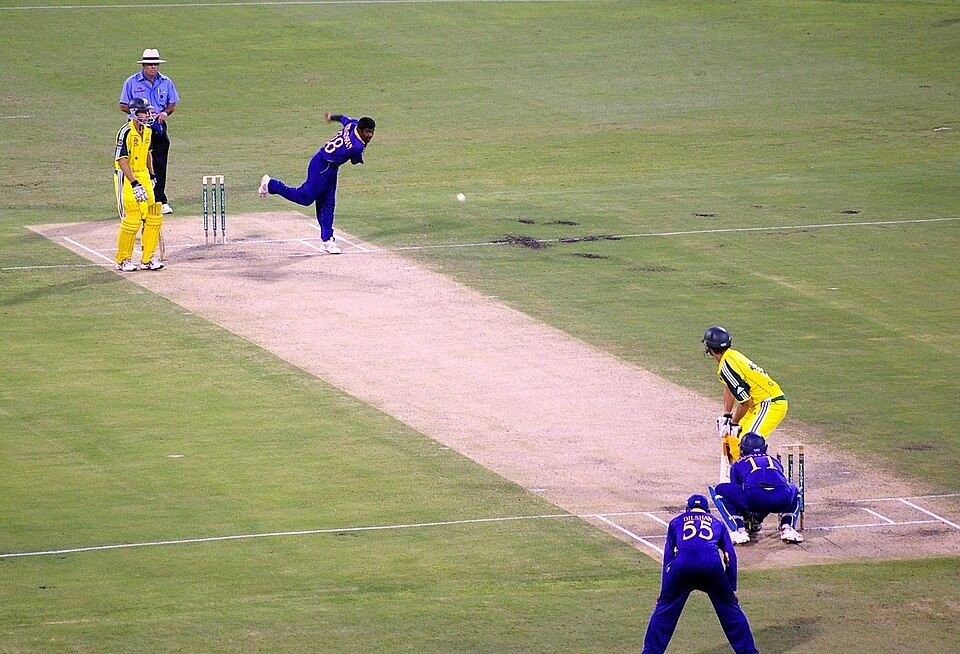
The most common story in sports physiotherapy goes like this. A club cricketer pulls a hamstring sprinting between the wickets. He rests for two weeks, the pain fades, and he’s back for the next match. Twenty minutes in, the same hamstring goes again, worse this time.
The injury didn’t come back because he was unlucky. It came back because pain-free and fully recovered aren’t the same thing. The muscle had healed enough to stop hurting, but it hadn’t regained the strength, flexibility or control it needed for a full sprint. Closing that gap is what a sports physio does.
01 / The basics
What Sports Physiotherapy Is
Sports physiotherapy is a branch of physiotherapy focused on injuries from sport and exercise. It covers prevention, treatment and, most importantly, a safe return to sport after injury.
What does a sports physiotherapist do differently? They look at the demands of your sport, not just the injured body part. A fast bowler, a footballer, a padel player and someone lifting weights at the gym can all hurt a shoulder, but each needs a different path back. A sports physio considers how you move, the forces involved and what your body has to handle on match day.
A good first session usually includes an injury assessment, a look at your movement and biomechanics, and questions about your training load. Sudden jumps in training are behind many injuries.
02 / Know the injury
Common Sports Injuries a Sports Physio Treats
Sports injury physiotherapy covers two main types of problems. [1]
Acute injuries
These happen in a single moment:
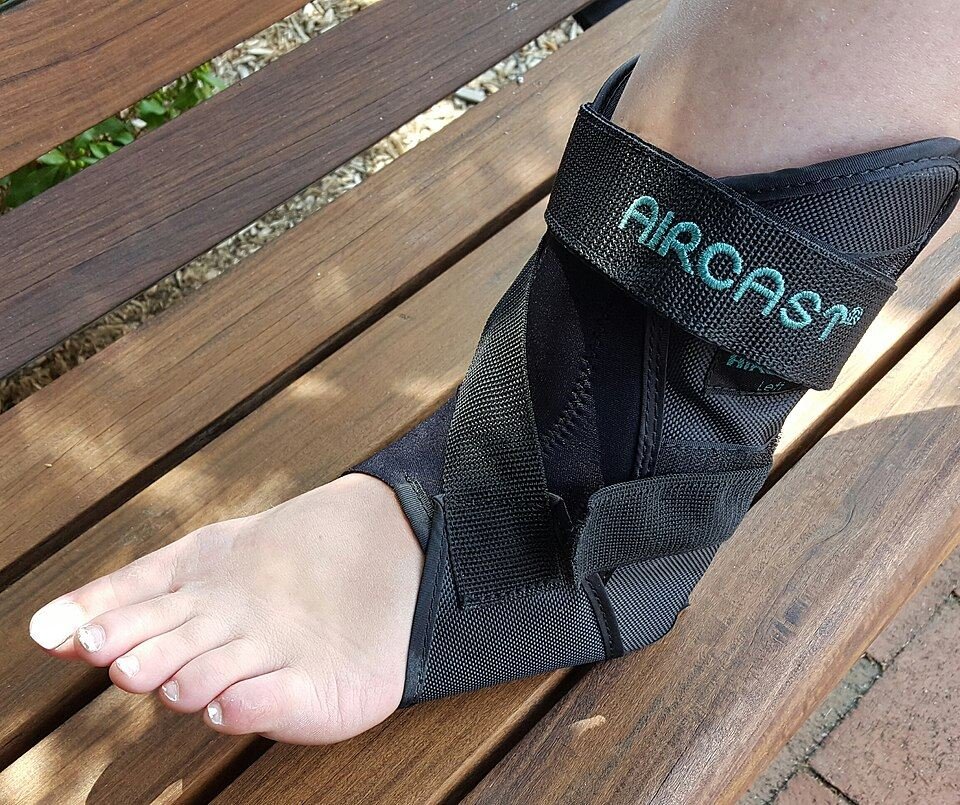
- Ankle sprain from landing awkwardly
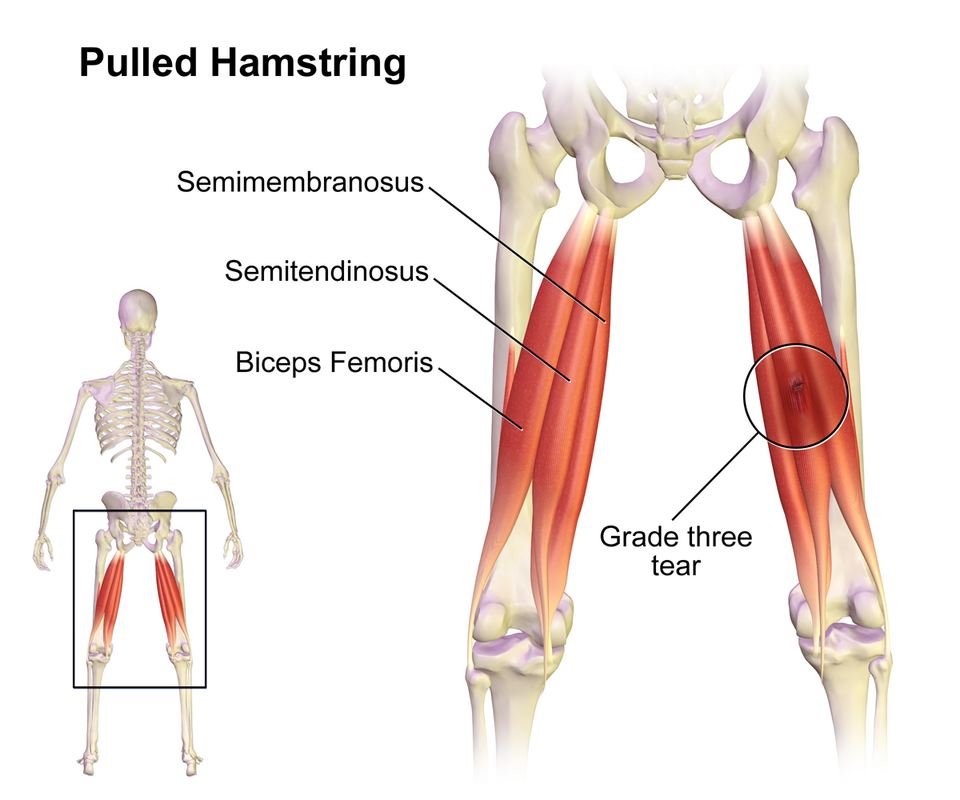
- Hamstring or groin strain from sprinting
- Ligament tear in the knee, including ACL injuries
- Shoulder dislocation from a fall or tackle
Overuse injuries
These build up gradually from repeated stress:
- Runner’s knee and shin splints in runners
- Tennis elbow in racket sports and the gym
- Rotator cuff injury in bowlers, swimmers and anyone lifting overhead
- Achilles tendinopathy in runners and footballers
- Back pain from weightlifting with poor technique
In Pakistan, cricket injury physiotherapy is a big part of this work. Fast bowlers in particular put huge stress on the lower back, shoulder and knees. Football and padel injuries are increasingly common too, along with gym injuries from people lifting too heavy, too soon.
Treat that as a signal, not bad luck. A recurring injury almost always means something wasn’t fully rehabilitated the first time.
03 / How rehab works
Sports Physiotherapy Treatments and Techniques
Sports injury treatment usually moves through stages.
-
Settling the injury
In the first 48 to 72 hours, the aim is to control pain and swelling. Relative rest, ice and compression (the familiar RICE method) help with acute injuries. Your physio may also use manual therapy or gentle movement to keep the area from stiffening.
-
Restoring movement and strength
Once pain settles, sports physiotherapy exercises take over. This includes range of motion work, strengthening with resistance bands and weights, and core stability training. Hands-on techniques like dry needling, kinesio taping or shockwave therapy may be added for specific problems, but they support the exercise programme rather than replace it.
-
Training for your sport
This is the stage most people skip. It includes proprioception training (your body’s sense of balance and joint position), plyometrics (jumping and landing drills), speed work and sport-specific movements. A footballer practises cutting and changing direction. A bowler builds back up through a gradual bowling programme.
-
Gradual return to play
Training first, then partial matches, then full competition. Your physio should use clear tests, like strength comparisons between legs or hop tests, to decide when you’re ready, not just how many weeks have passed.
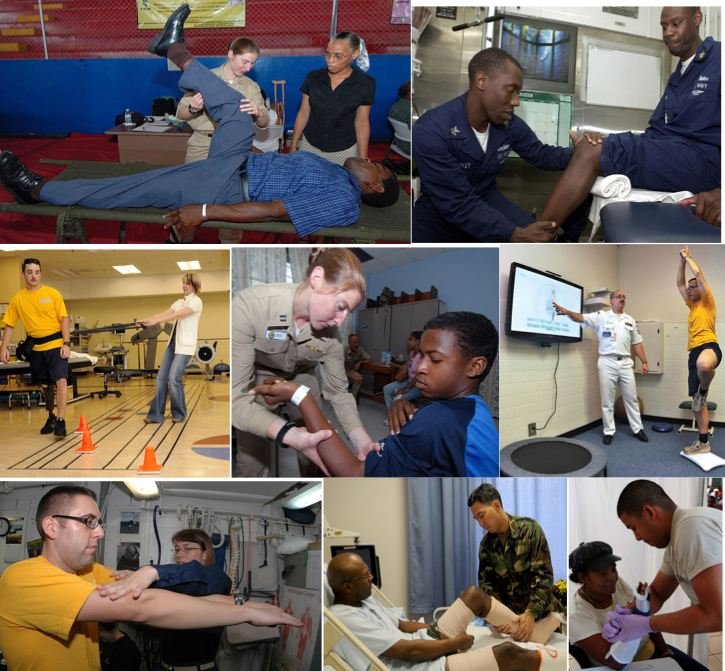
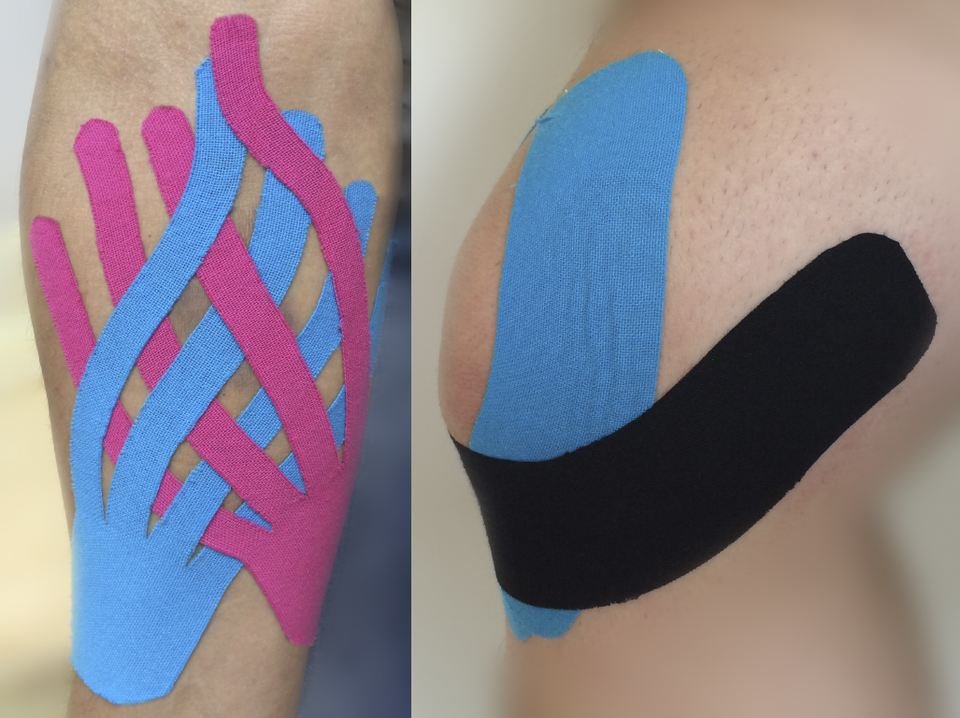
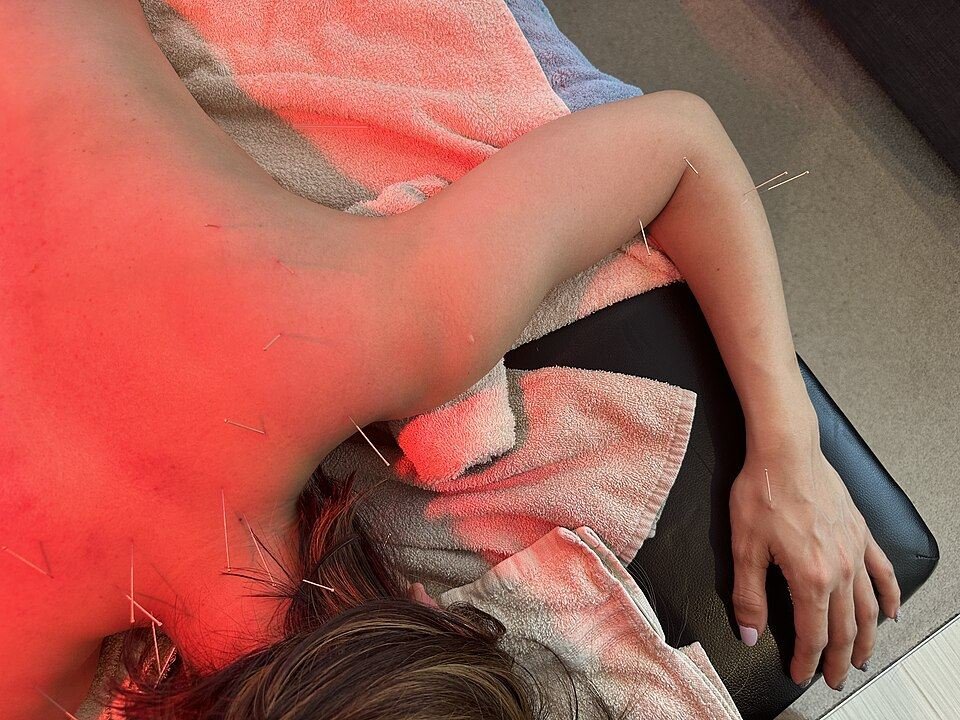
After surgery, such as ACL reconstruction, the same stages apply over a much longer post-surgical rehab programme, often lasting many months.
At Rajput Dental & Physio Clinic, the physiotherapy department is led by Dr. Laheem Hassan, whose focus is sports injuries and rehabilitation, with experience bringing athletes back from injury to full activity.
04 / Know the difference
Sports Physiotherapy vs Regular Physiotherapy
The core skills are the same. Every qualified physiotherapist can treat a sprained ankle. The difference is the end goal.
| Type | The goal |
|---|---|
| Regular physiotherapy | Pain-free daily life: walking comfortably, climbing stairs, getting back to work. |
| Sports physiotherapy | Sprinting, jumping, twisting and absorbing impact under pressure, which takes far more strength and control. |
Sports massage vs physiotherapy
A sports massage can help with muscle tightness and recovery after training. It doesn’t diagnose injuries or build the strength needed to prevent them coming back. If you have pain that affects how you play, see a physiotherapist first.
When you need a doctor
If you suspect a fracture, a complete ligament tear or a dislocation, you may need an X-ray or MRI scan and an opinion from an orthopaedic surgeon. RDPC has an orthopaedic surgeon on site, so a sports physio can refer you quickly when needed.
05 / Understand what you are paying for
Sports Physiotherapy Cost in Pakistan
Sports physiotherapy cost in Pakistan depends on the physiotherapist’s experience, the clinic and how many sessions you need. A minor sprain might settle in a few sessions. Post-surgical rehab can run for months, so it’s worth asking about session packages.
When choosing a sports physiotherapist in Karachi, ask:
- Do you regularly treat injuries from my sport?
- What tests will you use to decide when I can return to play?
- Will I get a home exercise plan between sessions?
- Can you refer me to an orthopaedic surgeon if needed?
- Do you offer evening appointments?

Sports physiotherapy in Karachi
Evening sessions that fit around training
The last question is practical. Most amateur athletes train and play around work, so a clinic open in the evening makes it far easier to finish your rehab. RDPC in DHA Phase 2 Extension is open every day from 2 PM to 9 PM.
Find us at Shop 60E, 21st Commercial Street, near Blue Ribbon Bakery, DHA Phase II Extension, Karachi. See all our physiotherapy services.
Ask about sports physio on WhatsApp06 / Quick answers
FAQs About Sports Physiotherapy
When should I see a sports physio?
If pain lasts more than a few days, you can’t put weight on the limb, there’s significant swelling, or an injury keeps coming back. The earlier rehab starts, the shorter the recovery usually is.
How long does a sports injury take to heal?
A mild ankle sprain may take one to three weeks. A muscle strain often takes a few weeks to a couple of months, depending on severity. Recovery after ACL reconstruction commonly takes nine months or more before returning to competitive sport.
Can I keep training while injured?
Often, yes, in a modified way. A good sports physio will keep you active with exercises that don’t stress the injured area, so you lose less fitness.
How can I prevent sports injuries?
A proper warm-up routine, regular strength and conditioning, gradual increases in training load and enough recovery time all reduce injury risk. Injury prevention for runners, for example, focuses heavily on building mileage slowly and strengthening the hips and calves.
Take the next step
Injury keeping you off the field?
Get a proper rehab plan.
If an injury is keeping you off the field, or keeps coming back every few months, a proper rehab plan is the way out of that cycle. Book a sports physiotherapy assessment and get back to your sport stronger than before the injury.
Open 7 Days · 2:00 PM–9:00 PM
Sources & further reading
General patient information; an assessment is needed for individual advice.