
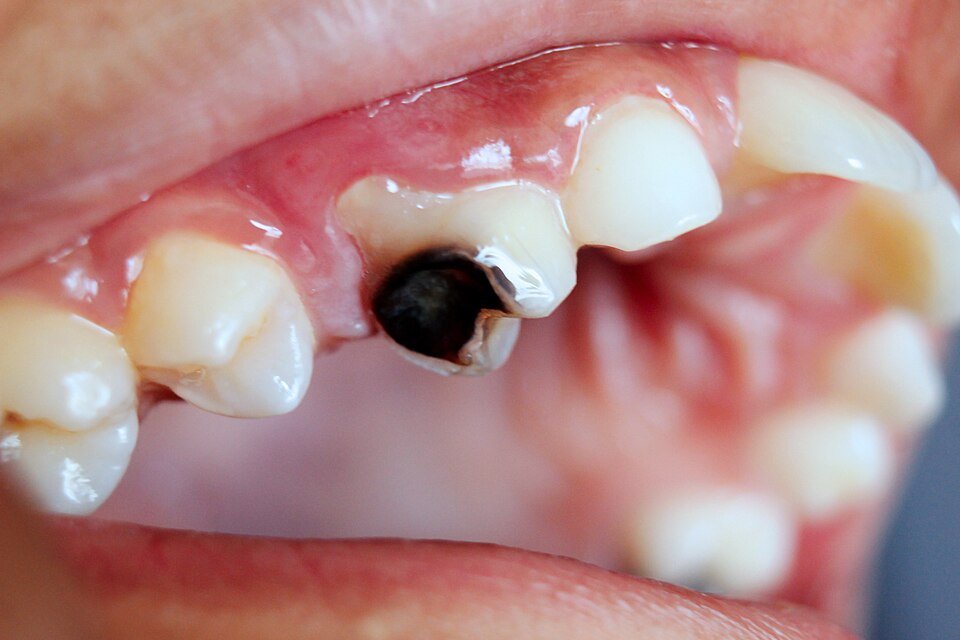
Ask anyone in Pakistan about a black hole in a tooth and you’ll probably hear the same explanation: “daant mein keera lag gaya hai.” A worm has got into the tooth and is eating it from inside. Some people go to roadside “keera nikalne wale” who claim to pull tiny worms out of the mouth.
The idea is old and very widespread. But there is no worm. What people call keera in teeth is tooth decay, and once you understand what’s really happening, it becomes much easier to stop.
01 / The basics
What People Mean by “Keera” in Teeth
When someone says they have daant mein keera, they usually mean one or more of these:
- A black or brown spot on a tooth
- A hole in a tooth where food keeps getting stuck
- Pain when eating something sweet, hot or cold
- A tooth that slowly breaks away piece by piece
All of these are signs of a cavity in teeth. Dentists call it dental caries. It’s one of the most common health problems in the world, affecting children and adults alike. [1]
02 / Myth vs fact
Is There Really a Worm in Your Tooth? The Truth About Tooth Decay
No. The “tooth worm” belief goes back thousands of years and appears in many cultures, mainly because a decaying tooth really does look like something has been eating it. Under a microscope, the inner layer of the tooth (dentin) is made of thousands of tiny tubes called dentin tubules, which can look a bit worm-like. But nothing alive is crawling around inside.
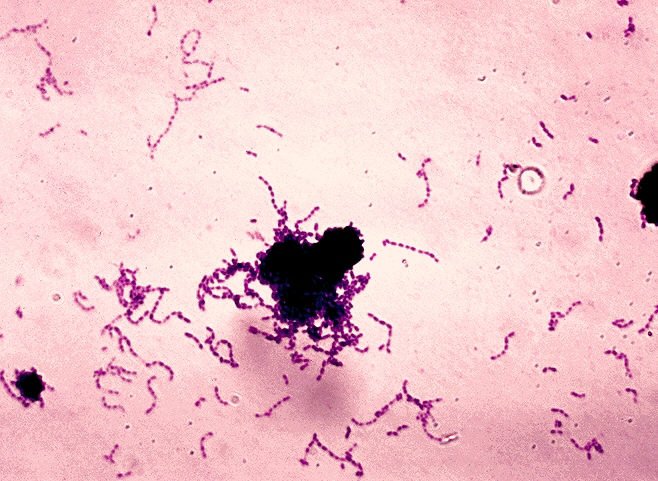
Tooth decay is caused by bacteria, mainly a type called Streptococcus mutans, living in the sticky plaque on your teeth. [2] Here’s how it works:
-
Sugar goes in
You eat or drink something with sugar or starch.
-
Bacteria make acid
Bacteria in the plaque feed on that sugar and produce acid.
-
Enamel dissolves
The acid slowly dissolves the hard outer layer of the tooth, the enamel.
-
Decay reaches dentin
Once the enamel is broken through, decay spreads faster into the softer dentin underneath.
-
The nerve gets infected
If it reaches the centre of the tooth (the pulp), the nerve becomes infected and painful.
No worm ever comes out of a tooth. What they show is a trick, often small seeds, threads or other material. You pay, the “worm” comes out, and the actual decay is still there, still spreading.
This is the part that matters: does keera in teeth spread? The decay doesn’t jump between teeth like an insect. But the same bacteria, diet and brushing habits that caused one cavity are working on every other tooth too. And in the affected tooth, decay keeps going deeper until it’s treated.
03 / Know the warning signs
Signs and Causes of a Cavity
Watch for these signs:
- Black spots on teeth, or brown or chalky white patches
- A hole in the tooth you can feel with your tongue
- Tooth sensitivity to sweets, cold water or hot tea
- Tooth pain due to cavity, especially when chewing or at night
- Bad breath that doesn’t go away
- Swollen gum or a pimple near a tooth, which can mean an abscess (infection)
Common causes include:
- Frequent sweets, chocolate, biscuits and sugary drinks, especially between meals
- Sipping sweet chai throughout the day
- Paan, supari and gutka, which also damage gums
- Not brushing twice a day, or brushing without fluoride toothpaste
- Going to sleep without brushing
It’s very common. Milk teeth decay quickly because their enamel is thinner. Baby bottle tooth decay happens when babies fall asleep with milk or juice in their mouth. Some parents assume milk teeth will fall out anyway, so cavities don’t matter. They do. Decayed milk teeth cause pain and infection, and they can affect the adult teeth growing underneath.
04 / What happens in the chair
How Dentists Treat “Keera” in Teeth
The right treatment for daant ke keere ka ilaj depends on how deep the decay has gone. A dentist examines the tooth and may take a dental X-ray to see how far it has spread.
Early cavity
If the decay is only a white spot on the enamel and hasn’t formed a hole yet, fluoride varnish and better brushing can sometimes stop it.
Small to medium cavity
The dentist removes the decayed part and fills the tooth. A composite filling (tooth-coloured filling) is the most common choice today and matches the colour of your tooth. Amalgam (silver) fillings are still used in some cases. The tooth is numbed with local anaesthesia first, so the procedure shouldn’t hurt.
Deep cavity reaching the nerve
If the pulp is infected, a root canal for the decayed tooth cleans out the infection, seals the inside of the tooth and saves it. A dental crown usually goes on top afterwards to protect it.
Badly broken tooth
If too little of the tooth is left to save, tooth extraction may be the only option. The gap can then be replaced with a bridge, implant or denture.
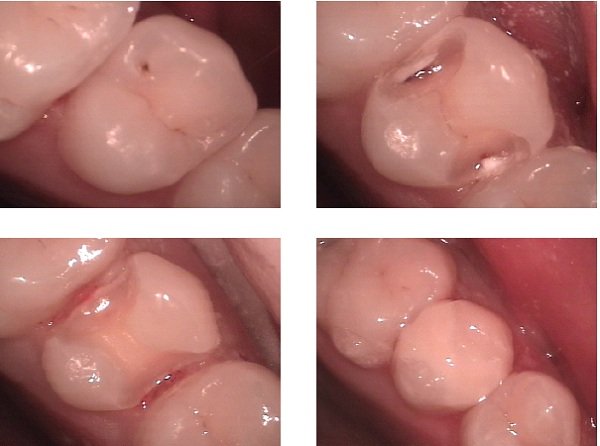
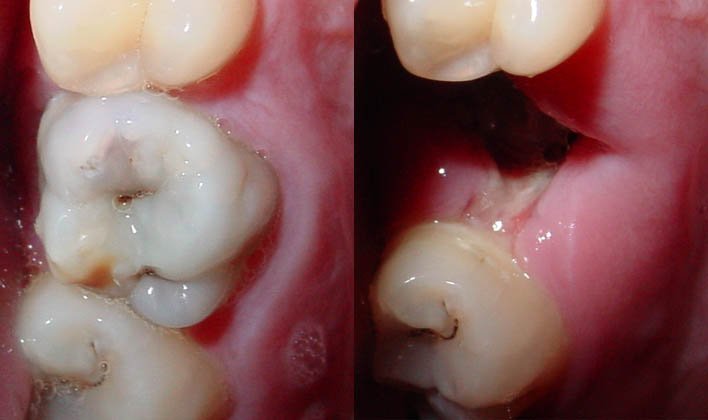
The earlier you get it treated, the simpler and cheaper the treatment. A small filling today can save you a root canal next year. At Rajput Dental & Physio Clinic, fillings, root canal treatment, extractions and children’s dentistry are part of routine care. You can see the full range on the RDPC services page.
05 / Understand what you are paying for
Cavity Treatment Cost in Pakistan
Cavity filling cost in Pakistan depends on the size of the cavity, the type of filling and the clinic. As a rough guide, from lowest to highest cost:
-
A small filling
The simplest and most affordable option, when decay is caught early.
-
A larger tooth-coloured filling
More of the tooth needs repairing, so it takes longer and costs more.
-
Root canal treatment plus a crown
Needed once decay reaches the nerve, and usually spread over more visits.
That’s why waiting costs more. Decay that could have been fixed with a simple filling often ends up needing a root canal, which costs several times more and takes more visits.
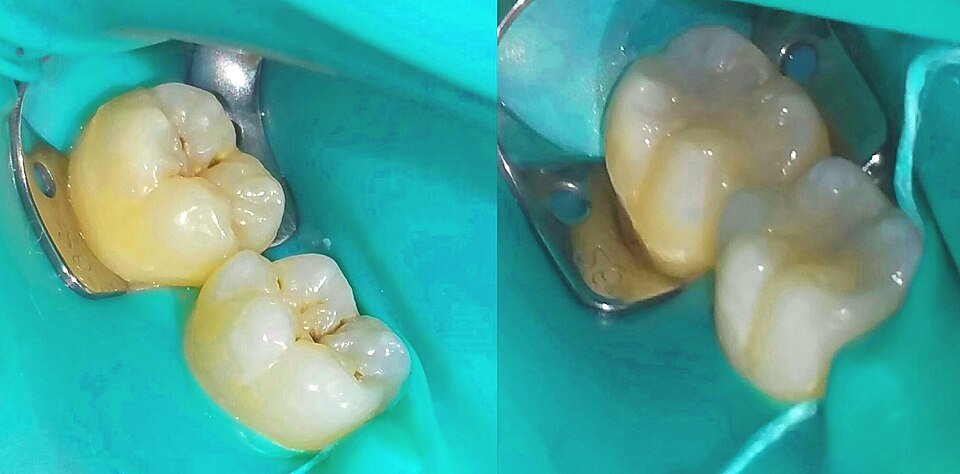
Before treatment, ask the dentist:
- How deep is the cavity, and can I see it on the X-ray?
- What filling material do you recommend, and why?
- What is the total cost, including X-rays?
- Do any other teeth have early decay?

Dentist for tooth decay in Karachi
Fillings and root canals at RDPC
If you’re looking for a dentist for tooth decay in Karachi, Rajput Dental & Physio Clinic in DHA Phase 2 Extension is open daily from 2 PM to 9 PM, including Sundays.
Find us at Shop 60E, 21st Commercial Street, near Blue Ribbon Bakery, DHA Phase II Extension, Karachi.
Ask about filling fees on WhatsApp06 / Stop the next cavity
How to Prevent Tooth Decay
Can a cavity go away on its own? Once a hole has formed, no. The tooth can’t regrow enamel. But you can stop new cavities and slow early ones:
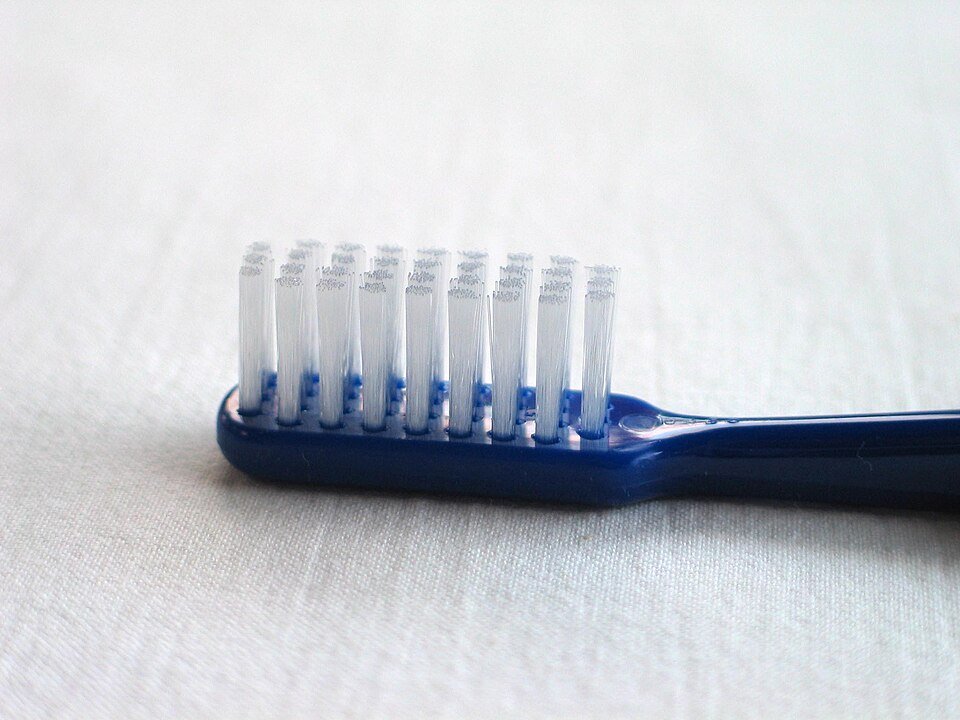
- Brush twice a day with fluoride toothpaste, especially before bed.
- Clean between teeth with floss or an interdental brush.
- Cut down on sugar between meals. It’s how often you eat sugar that matters most, not just how much.
- Rinse with water after sweets or tea if you can’t brush.
- Ask about fissure sealants for children. These thin coatings protect the grooves of back teeth.
- Get a six-month check-up, so decay is caught while it’s still small.
Clove oil can numb tooth pain for a few hours, and painkillers for toothache can help until you see a dentist. Neither one treats the decay. Avoid putting aspirin, salt or nimbu directly on the gum, because they can burn the tissue.
07 / Quick answers
FAQs About Keera in Teeth
Is there really a worm in a decayed tooth?
No. What people call keera in teeth is tooth decay. It is caused by bacteria in plaque that turn sugar into acid, and the acid slowly dissolves the tooth. Nothing alive is crawling inside the tooth.
Does keera in teeth spread to other teeth?
Decay doesn’t jump between teeth like an insect. But the same bacteria, diet and brushing habits that caused one cavity are working on every other tooth too, and in the affected tooth the decay keeps going deeper until it is treated.
Can a cavity go away on its own?
Once a hole has formed, no. The tooth can’t regrow enamel. A very early white spot can sometimes be stopped with fluoride and better brushing, but a real cavity needs a filling or other treatment.
Does getting a filling hurt?
The tooth is numbed with local anaesthesia first, so the procedure shouldn’t hurt. Treating decay early, while it is small, also keeps the treatment shorter and simpler.
Do cavities in milk teeth need treatment?
Yes. Decayed milk teeth cause pain and infection, and they can affect the adult teeth growing underneath. Milk teeth also decay quickly because their enamel is thinner.
Take the next step
Black spot, hole or tooth pain?
Get it checked now.
If you’ve noticed a black spot, a hole or pain in a tooth, it isn’t a keera, and it won’t go away on its own. Book a dental check-up at RDPC and get it treated while a simple filling can still fix it.
Open 7 Days · 2:00 PM–9:00 PM
Sources & further reading
General patient information; an examination is needed for individual advice.